The tradition of gathering around a shared water pipe carries centuries of cultural weight, originating in the busy social centres of the Middle East and South Asia. Historically, it served as a primary focal point for community interaction, where people would sit for hours discussing politics, business, and daily life. The slow, deliberate nature of the practice naturally encourages deep conversation and a relaxed, unhurried atmosphere.
As this specific tradition crossed borders into Western countries, it retained its core identity as a highly social, communal activity that brings diverse groups of people together in a shared physical space.
Over the past two decades, there has been a noticeable shift in how enthusiasts engage with this pastime. While public lounges remain highly popular, a growing segment of consumers is choosing to recreate the authentic cafe experience within their own homes. This transition from public consumption to private collection has fundamentally changed the manufacturing and retail sides of the industry. Enthusiasts now view their home setups as an extension of their personal hospitality, taking great pride in offering guests a perfectly prepared session using high-quality, carefully maintained equipment.
This movement toward home curation has driven significant advancements in the materials used to construct the apparatus. Traditional pipes were almost exclusively manufactured from heavy brass, copper, and hand-blown glass, often featuring ornate, hand-carved decorations. While these classic designs hold undeniable nostalgic appeal, modern engineering has introduced aerospace-grade aluminium, stainless steel, and carbon fibre into the manufacturing process. These contemporary materials resist rust, are significantly lighter, and feature precision-machined parts that guarantee a perfectly airtight seal for a dramatically improved draw.
The design of the bowl, where the flavoured molasses is packed, has also undergone a radical transformation. For generations, the standard Egyptian clay bowl with holes at the bottom was the only option available. Today, the market features advanced phunnel bowls designed with a single raised central spire. This specific design prevents the sweet juices of the molasses from leaking down the stem, preserving the flavour for much longer and keeping the entire pipe significantly cleaner.
Ceramists now treat the creation of these bowls as a serious art form, using proprietary clay blends designed for maximum heat retention.
Flavour mixology has emerged as a distinct hobby among dedicated users, closely resembling the craft cocktail movement. Rather than relying on pre-mixed, single-note flavours, enthusiasts now purchase individual profiles to create their own custom blends. The process involves understanding how heavy base notes, like spiced chai or dark coffee, interact with bright top notes like mint or citrus. Perfecting a signature mix requires patience, precise measuring, and a deep understanding of how different tobacco leaves react to varying levels of heat.’
The ritual of preparing the session is often viewed as equally relaxing as the smoking process itself. Taking the time to properly clean the glass base, measure the water level, pack the bowl with the correct density, and heat the natural coconut coals requires focus and care. It forces the individual to step away from screens and digital distractions, engaging in a tactile, analogue process. This preparation period builds anticipation and sets a calm, welcoming tone for the evening before the first guest even arrives.
Building a reliable, high-performing home setup requires access to authentic parts and fresh ingredients. Relying on anonymous online retailers often results in purchasing counterfeit equipment or stale tobacco that has been sitting in a warehouse for months.
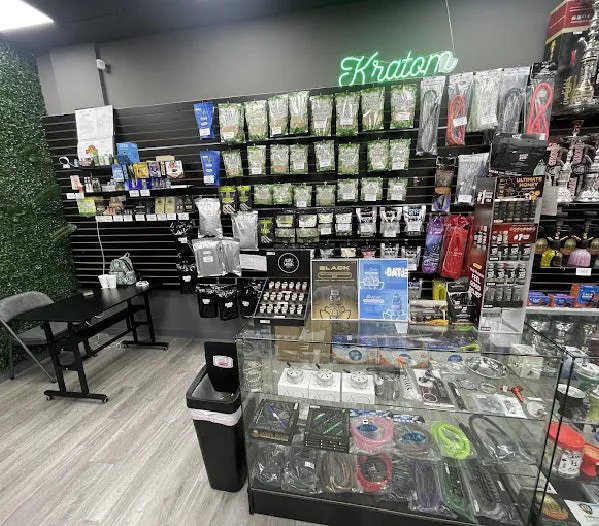
Visiting a dedicated Hookah Shop in Sandy Springs provides the opportunity to inspect the build quality of modern pipes in person. Establishing a relationship with a local supplier guarantees access to the freshest molasses batches and expert advice on how to upgrade specific components.
The water pipe has successfully transitioned from a regional cultural staple into a global symbol of shared leisure. Whether you prefer the heavy draw of a traditional brass pipe or the wide-open airflow of a modern stainless steel machine, the underlying purpose remains exactly the same.
It is a dedicated mechanism for slowing down time, encouraging meaningful face-to-face interaction, and creating memorable experiences with the people who matter most.
Conclusion
The transition of the water pipe from a public cafe staple to a curated home experience highlights a growing appreciation for craftsmanship and social connection. By investing in quality materials and understanding the art of preparation, enthusiasts continue a rich tradition of hospitality in their own living spaces.
Call to Action
Explore our extensive collection of modern and traditional setups, premium accessories, and unique flavour profiles to build your ideal home collection.